
The 7 most-often-overlooked germy spots in your home
(BPT) - Cold and flu season has arrived and you’re on a mission to minimize your family’s exposure to germs. Handwashing is still an important first line of defense against the spread of germs, but it's also important to identify and sanitize places that can harbor the viruses and bacteria that cause illness. Spots that get a lot of touching are perfect places for germs to transfer from one person to another.
Here are seven often-overlooked germy spots in your home, and what you can do to reduce germs on these surfaces:
1. Smartphones
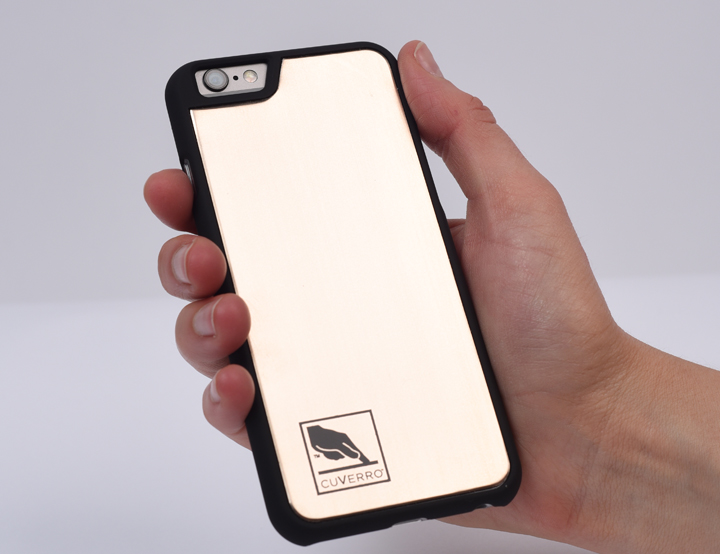
The average American checks his or her smartphone 46 times per day, Time magazine reports. Multiple studies show smartphones harbor a stewpot of germs; one study from the United Kingdom found 92 percent of phones have bacteria on them, and 16 percent harbor E. coli, which comes from fecal matter. Cleaning your smartphone isn’t always easy — or possible! However, you can fight bacteria with a copper phone case. EPA testing has shown that antimicrobial copper kills up to 99.9 percent of bacteria within two hours of exposure, and keeps on killing bacteria even after repeated contamination. CuVerro, manufacturers of antimicrobial copper that is used in products in health care, fitness and office settings, also offers an iPhone 6/6s and iPhone 7 case made of antimicrobial copper. For efficacy and safety information about CuVerro, visit https://cuverro.com/claims-disclaimers.
2. Computer keyboards/laptops

If you glove up before cleaning the commode, this factoid will definitely gross you out: online IT educational organization CBT Nuggets found computer keyboards and laptops can harbor 20,598 times more germs than a toilet seat! To clean your keyboard, unplug it from its power source — or power off your laptop. Dust with a soft brush or a small vacuum made for computer keyboards. Use a cotton swab and rubbing alcohol to clean the tops and sides of keys, and around the edges of the keyboard.
3. Pens

It’s probably a safe bet that communal pens in banks, post offices and other shared spaces are full of germs, but so are the ones in your own home. In testing household pens, NSF International found coliform bacteria, yeast, mold and staph bacteria. You could spend some time wiping down every pen you own with a disinfecting wipe ... or you could go an easier, classier route and switch to a pen that’s antimicrobial. This Copper Ballpoint Pen is made with CuVerro copper that kills bacteria 24/7 and is wear-resistant and durable.
4. Faucet handles
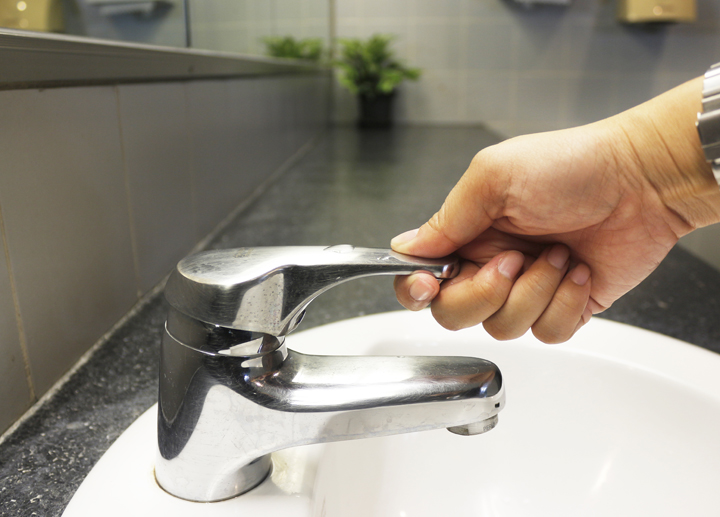
This one just makes sense if you think about it. If you’re diligent about washing your hands, you’re touching faucet handles pre-wash, when your hands are covered in bacteria. The next person to come along can pick up the germs you’ve left behind. To keep faucet handles in kitchens and baths as germ free as possible, keep a canister of disinfecting wipes on hand and wipe down handles after every handwashing. Or, you can install a touchless faucet in your kitchen or bath and reduce the spread of germs by minimizing the exposure caused by touching faucets and handles.
5. Kitchen sponges
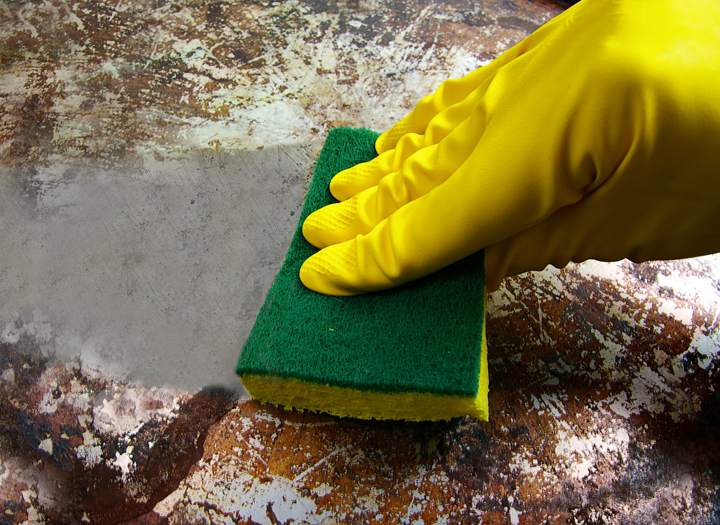
The very cleaning implement you rely on to help with cleanup can actually be spreading germs around. Based on NSF International’s testing, the kitchen sponge is the single germiest thing in your home, harboring 100 times more microbes than the next dirtiest surface in the house. Clean kitchen sponges by running them through the dishwasher on a high heat setting, or dampen them and microwave them for a few minutes every day to kill bacteria. Replace sponges every two weeks.
6. TV remote controls

Perhaps your family would fight less over who gets to hold the remote control if they knew just how many germs it can host. University of Virginia researchers found half of remote controls they tested harbored cold viruses, which can survive on surfaces for as long as 24 hours. To clean a remote, pop out the batteries, use an alcohol wipe to rub down the surface, clean keys with an alcohol-soaked cotton swab, and use a toothpick to remove any crud in the cracks around the buttons.
7. Door knobs

Everyone who comes to your front door brings a little something with them ... germs they leave behind on the knob. The same is true for every door knob within your home and some areas, as you can imagine, are germier than others (the bathroom). Fortunately, this is one of the easiest areas to fight germs. Simply wipe off door knobs daily with a disinfectant and strictly enforce your family’s handwashing policy.


Other items that may interest you


